The six
Six things decide what you can attempt and finish.
Each has a plain definition, a strong case and a weak case. Each carries a stated weight in your reading, and a first move you can start this week.
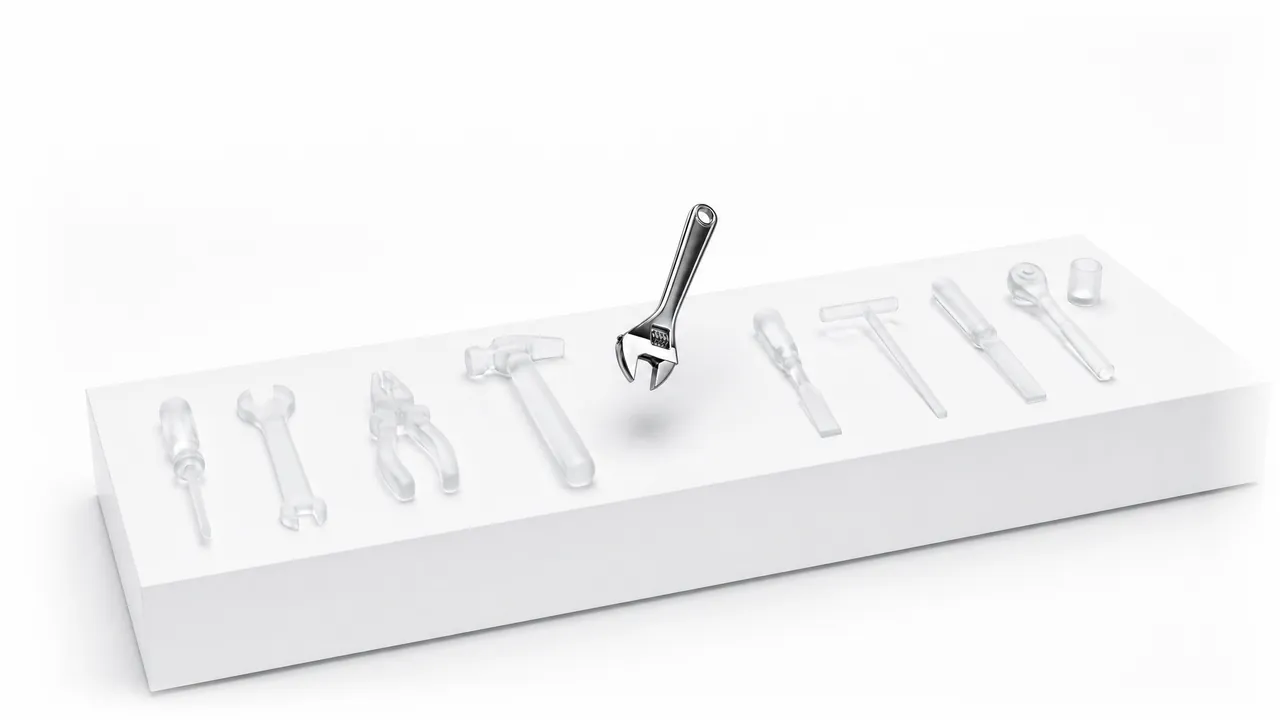
Six areas · one bench
Each has a plain definition, a strong case and a weak case. Each carries a stated weight in your reading, and a first move you can start this week.
AGI READY™ reads what your organization can now attempt, carry and finish. Six areas decide that, and each is set out the same way below. What it is, what strong and weak look like, and the record that settles it. Then what it is worth, and the first move to make.
One rule sits over all six. Nothing scores until it has happened once. A plan scores nothing, and neither does a license. What to do this week: mark the two areas below where the record is not on the table yet. Those two are where the next quarter of capability comes from. It takes ten minutes and needs nobody else.
Ambition is what you set out to do now, against what you would have set out to do before.
When it is strong
When it is weak
The record that settles itThe attempt list. One page a quarter. Above the line, every project you declined, with its old price. Below the line, what you attempted, and who carried it.
The first move. Ask every line leader for ten projects their area declined because trying cost too much. Who: you ask, and every line leader answers. How long: two weeks. You end up with: a dated list of declined projects, each carrying its old price. Done when: every line has answered and every entry names a person.


Reach is how far one person can carry real work alone, from the idea to the finished thing.
When it is strong
When it is weak
The record that settles itThe reach record. The work that shipped this quarter. Against each item: how many people carried it, how many it needed before, and how long each took.
The first move. Pick one thing that shipped this quarter. Write how many people touched it, and how many would have two years ago. Who: the leader whose team shipped it. How long: one hour. You end up with: the first row of the reach record. Done when: the two counts sit side by side, with a date on them.

Working knowledge is what you know about your own work, written down well enough to hand part of it over.
When it is strong
When it is weak
The record that settles itThe register, and the transcripts filed against it. On the table within the hour, every row naming a person and a review date.
The first move. Take ten real tasks from last quarter and hand them to the best model you can get. Grade what comes back against the standard you already use. Who: the person who owns that work, plus a checker who did not choose it. How long: one week. You end up with: ten graded transcripts, filed against the register. Done when: you can name three tasks the machine does to your standard.



Machine capacity is the systems and machine workers that do the work, and how freely they can be changed.
When it is strong
When it is weak
Being able to change supplier protects the ambition. It is not an admission of weakness. One provider’s published retirement page promises at least sixty days’ notice. The same page lists nineteen model versions retired between November 2024 and August 2026.
The record that settles itThe list of what runs, and the timed change. Every model in production, with its supplier, its version and its retirement notice. One named alternative, scored. One rehearsed change, timed.
The first move. Ask whoever runs your systems to find model names outside the settings file. Who: whoever runs your systems. How long: one afternoon. You end up with: a dated list of every file to be changed before you can switch supplier. Done when: the list fits on one page and each line carries an owner.

Direction is the judgment that chooses what gets built, and the people who answer for what it does.
Start with what it buys. Because anyone can stop a job, you can let ten run at once without a review board.
A film director never operates the camera and never speaks a line. What the director holds is the shape of the finished thing.
When it is strong
When it is weak
None of this is a brake on ambition. It is what lets a board, a customer and a regulator allow you to run many machines at once. The law asks for the same thing. Whoever supervises a system must have the competence, the training, the authority and the support to disagree with it and stop it. That is Article 26(2) of the EU AI Act, the European Union’s law on AI. It is the duty that falls on the organization using the system, not on the one that built it.
The record that settles itThe signature file. Per job that matters, four things. The named signer. The evidence that they can stop it. The log of the last halt. And what you will not do at any price.
The first move. Open the register and write one name on every row: the person who can stop that job today. Who: you, with each row’s owner. How long: one afternoon. You end up with: a register where every row carries a name and a way to reach them. Done when: one halt has been logged and you can show the entry.



Compounding is how fast you learn from what you just did, and how much of it stays inside your own walls.
When it is strong
When it is weak
The record that settles itThe record, with the graded cases beside it. Six columns: the call, how likely, by when, what would prove it wrong, who made it, and the score.
The first move. Take the three calls you already make every month: the forecast, the hire and the launch. Write each down with a date. Who: whoever already makes each call. How long: thirty minutes. You end up with: the first three rows of the record, each with a date to score it. Done when: the first call has been scored, right or wrong.
Ambition and Direction carry a fifth each, and the four between them fifteen points apiece. The two ends are the ones you have to build yourself.
| Area | Weight | What its share buys | The record that settles it |
|---|---|---|---|
| 01 Ambition | 20% | What you set out to do | The attempt list, priced again each quarter |
| 02 Individual reach | 15% | How far one person carries it | The reach record, with the names on it |
| 03 Working knowledge | 15% | What can be handed over | The register, and the transcripts behind it |
| 04 Machine capacity | 15% | What does the work | The list of what runs, and the timed change |
| 05 Direction | 20% | Who chooses, and who answers | The signature file, and one logged halt |
| 06 Compounding | 15% | Whether it gets cheaper each time | The record, and the private set of cases |
Areas one and two set the size of the ambition. Three and four are the machinery. Five is who answers, and six is what makes the next attempt cheaper.
The weights are ours, and no standards body has certified them. They are printed here so that anyone who disagrees can say so precisely.
What to do this week. Print the table, and beside each row write the record you could produce today. Twenty minutes, alone or with your leadership team. The blank rows are your first plan, and the route is where they get filled in.